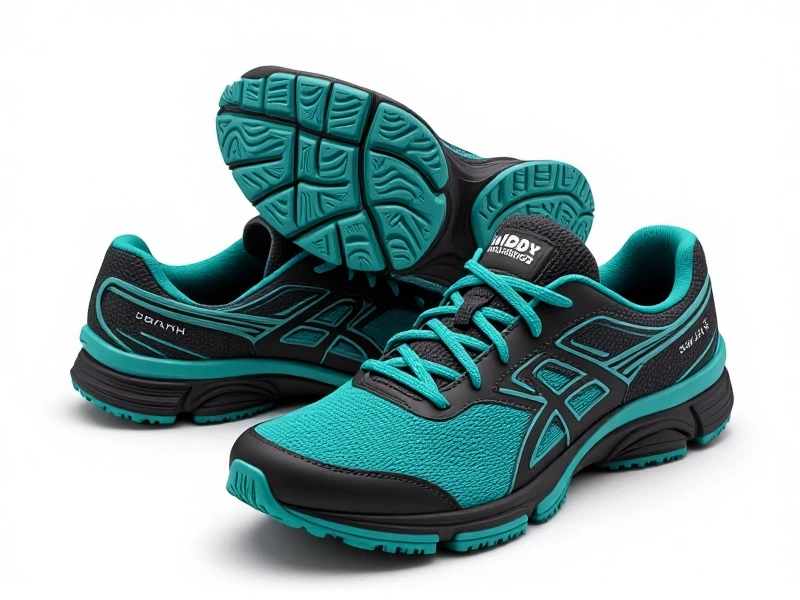
Choosing the Right Training Shoes: Your Ultimate Guide to Performance and Comfort
Finding the perfect pair of training shoes is crucial for maximizing your workouts and staying injury-free. Unlike specialized running shoes or basketball sneakers, versatile training shoes are engineered to handle the dynamic, multi-directional movements inherent in activities like HIIT, CrossFit, weightlifting, agility drills, and circuit training. The wrong shoes can lead to discomfort, poor performance, or even injury.
So, what makes great training shoes?
- Exceptional Stability and Support: Your feet need a solid base during lifts and lateral movements. Look for a wide, flat heel and a sturdy midsole construction. Features like a firm heel counter and medial/lateral support prevent unwanted rolling.
- Responsive Cushioning & Ground Feel: While support is vital, you also need responsiveness – cushioning that compresses quickly under impact and springs back just as fast. Too much cushion can create instability for lifts; you need some ground feel for activities requiring balance and precise foot placement.
- Superior Traction: Non-marking rubber outsoles with aggressive tread patterns are essential. They need to grip various surfaces – gym flooring, turf, perhaps even light outdoor use – reliably during sprints, jumps, and quick changes of direction without slipping.
- Durability: Abrasion-resistant uppers, reinforced toe caps, and high-quality rubber compounds are non-negotiable. Expect heavy wear around the toes during burpees, rope climbs, and box jumps.
- Enhanced Breathability: Expect to sweat! Mesh uppers, particularly in high-heat zones, keep your feet cooler and drier, improving comfort during intense sessions.
- Secure Fit: Your foot shouldn't slide around inside the shoe. A dynamic lacing system and a locked-in heel ensure the shoe moves with your foot, not against it.
Popular Training Shoe Styles:
- Hybrid Trainers: Offer a balance of support for lifting and enough cushion for lighter cardio/metcon elements. (e.g., Nike Metcon series, Reebok Nano series).
- Lifting-Specific Trainers: Feature ultra-stable, non-compressive soles for maximal power transfer during heavy squats, deadlifts, and Olympic lifts. Often have higher heels or wedges. (e.g., Nike Romaleos, Adidas Powerlift).
- Minimalist/Cross-Trainers: Designed for varied terrain and natural movement. Focus on ground feel and low-profile design. (Less common now, but traceable in shoes like the New Balance Minimus).
Choosing Your Training Shoes:
Think about your #1 activity. Primarily heavy lifting? Prioritize a stable base. Focused on high-energy Metcons? Look for a versatile balance of support and cushion. Try shoes on in the afternoon when feet are slightly swollen, wear the socks you train in, and perform movements like squats, lunges, and little jumps. Your toes should have wiggle room without heel slippage.
Investing in high-quality training shoes specifically designed for your workout intensity and type isn't a luxury; it's fundamental gear. The right pair provides the stable foundation, responsive energy return, and all-day comfort needed to push harder, train smarter, and achieve your fitness goals safely. Your performance – and your feet – will thank you.