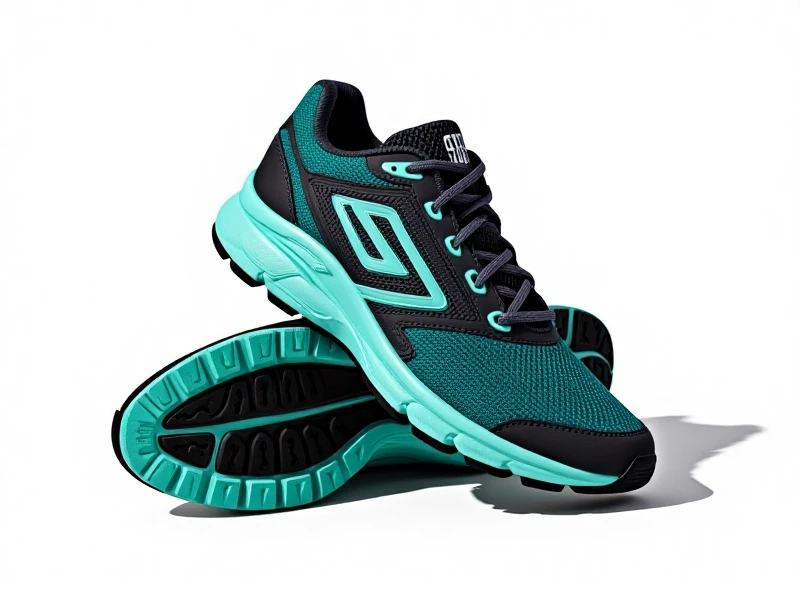
Unlock Your Best Run: How the Right Running Shoes Transform Performance
Here’s the SEO-optimized article on Running Shoes:
Every stride matters. Whether you're training for a marathon, hitting the trails, or jogging around your neighborhood, your running shoes hold the power to elevate your workout or derail it. Choosing the perfect pair goes far beyond style—it’s about biomechanics, support, and comfort that keeps you moving mile after mile.
Running shoes are engineering marvels designed to tackle impact. Studies show the average runner’s foot strikes the ground with forces up to three times their body weight. Premium athletic brands integrate advanced cushioning systems—like responsive foams or air-based technology—to absorb shock, protecting joints. Meanwhile, stability features control pronation (inward foot roll) or supination (outward roll), aligning your stride efficiently.
Traction is another non-negotiable. Road running sneakers feature durable rubber outsoles with flex grooves for smooth pavement transitions. Off-road enthusiasts should opt for trail running shoes boasting aggressive, multidirectional lugs that grip mud, rocks, and roots securely. Don’t underestimate breathability either; engineered mesh uppers prevent overheating while locking your foot in place.
How do you find your match? First, understand your running gait. Visit a specialty store for a gait analysis—professionals assess your foot strike and arch type. Neutral runners need flexible cushioning. Overpronators often benefit from structured stability technologies. High-arched underpronators may prefer maximum shock absorption. Your weekly mileage matters too; long-distance runners typically require more cushioning than sprinters.
Prioritize fit: leave a thumbnail’s space between your longest toe and the shoe’s end. Width should feel snug but never pinchy, especially around the midfoot. And remember—running shoes aren’t immortal. Experts urge replacing them every 300-500 miles. Worn-out midsoles lose their cushioning magic, increasing injury risk.
Ultimately, your running shoes are investments in better runs and fewer injuries. Test different models. Notice how they feel at mile three versus mile one. Your perfect pair shouldn’t just look good—they should make running feel effortless. Lace up and chase those goals.