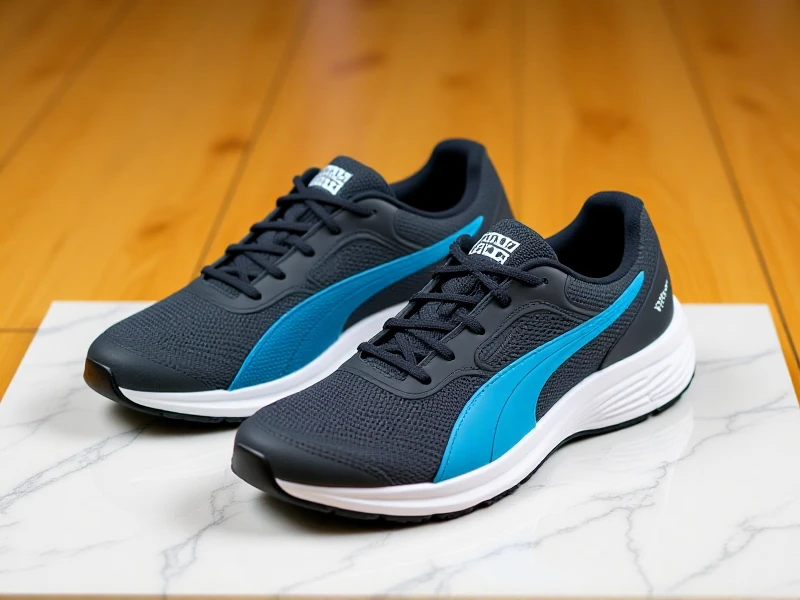
The 5 Essential Factors When Choosing Your Ideal Running Shoes
Finding the perfect running shoes isn't just about looks or brand loyalty; it's about performance, comfort, and injury prevention. With countless "Running Shoes" on the market, selecting the pair that best matches your individual needs can feel overwhelming. This guide breaks down the five most crucial factors to consider, helping you make an informed decision for better runs.
-
Fit and Feel is Supreme: This surpasses everything else. Running shoes should feel comfortably snug but never tight or restrictive, especially in the toe box. Allow a thumbnail's width (roughly 0.3-0.5 inches) between your longest toe and the shoe's end to accommodate natural foot swelling during miles. Ensure the heel is secure without slippage and the midfoot feels supported, not squeezed. Visit a specialty running store later in the day when feet are naturally slightly larger for the most accurate fitting experience.
-
Understand Your Gait & Support Needs: How your foot naturally moves (pronates) upon landing is key. While many runners believe they need heavy stability or "motion control" shoes, most benefit from neutral cushioning. Overpronators (feet rolling inward excessively may need stability features embedded within the "athletic footwear". However, gait is complex – if foot or knee pain persists, a professional gait analysis at a specialized running shop is invaluable. Don't self-diagnose based solely on worn shoe soles.
-
Prioritize Cushioning and Responsiveness: Running shoe technology offers incredible cushioning systems – from air and gel capsules to high-rebound foams ("Running Shoes"). The right level depends on your weight, preferred running terrain (road vs. trail vs. track), distance targets, and personal preference. Do you want plush comfort for long miles, a responsive, snappy feel for speedwork, or a protective trail shoe? Balancing cushioning with the energy return you desire is crucial for your satisfaction. Look at the shoe's specific construction – heel drop (height from heel to toe) can also impact feel and performance.
-
Consider Weight and Breathability: Lighter running shoes often feel less cumbersome and can enhance turnover speed, which is attractive for faster sessions or races. However, super-light models might sacrifice some cushioning or durability. Breathable uppers, typically using engineered mesh, are essential to prevent overheating and blisters, especially during warmer weather or longer runs ("Jogging Sneakers"). Ensure moisture wicking capabilities.
-
Surface-Specific Design Matters: Where you primarily run dictates shoe requirements. Road "Running Shoes" prioritize cushioning for pavement impact and feature smooth, durable outsoles. Trail running shoes incorporate aggressive lugs for superior traction on mud, gravel, and uneven terrain, along with added protection plates and often a reinforced toe cap. Using trail shoes on pavement accelerates wear, and road shoes on trails compromise grip and safety ("Trail Running Footwear").
Investing in Your Run: Choosing the right "Running Shoes" is a personal investment in your running journey. Focus diligently on fit, understand your natural stride, decide on the cushioning level that suits your goals, and match the shoe to your primary running environment. Replacing your footwear every 300-500 miles, or when cushioning feels compressed and flat, is vital to maintain optimal support and prevent injuries. Your feet and legs will thank you mile after mile.