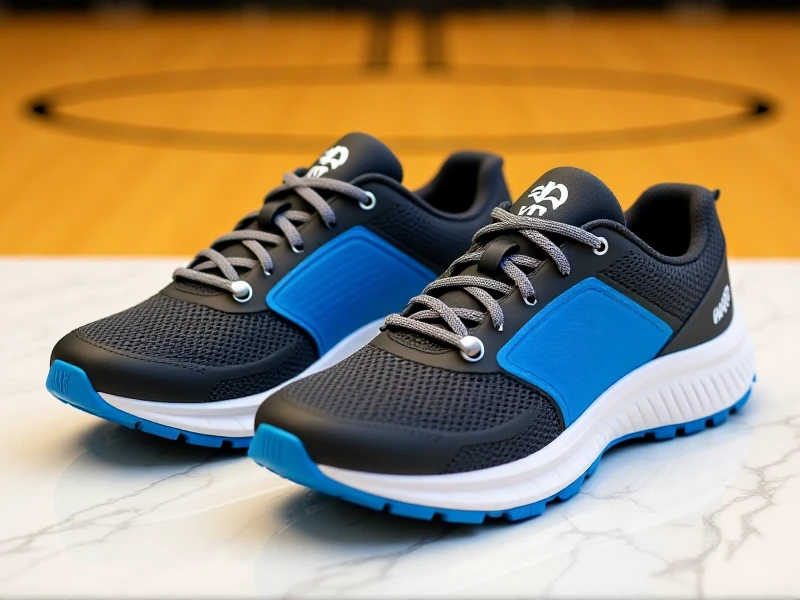
Find Your Perfect Fit: The Ultimate Guide to Running Shoes
Here is the SEO article on "Running Shoes" meeting your requirements:
Choosing the right running shoes is critical for performance, comfort, and injury prevention. Whether you're a seasoned marathoner or just starting your running journey, understanding what makes a great running shoe empowers you to make the best investment in your feet.
Modern running shoes offer advanced technology designed for different needs. The foundation lies in the midsole cushioning. Options range from ultra-plush, maximalist designs that absorb significant impact, to responsive, minimalist models that offer a more natural feel underfoot. There's no single "best" cushioning – the ideal level depends on your body weight, preferred running distance, pavement feel, and injury history.
Equally important is understanding your foot type and gait pattern. Do you overpronate (your foot rolls inward excessively), underpronate (supinate), or have a neutral stride? Choosing a shoe with the appropriate level of stability or motion control aligns with your biomechanics. Many specialized running stores offer gait analysis to help identify your unique pattern.
Next, consider the shoe's purpose:
- Road Running Shoes: Optimized for pavement and hard surfaces. They prioritize durability, cushioning, and lightweight construction.
- Trail Running Shoes: Feature aggressive outsoles for superior grip on uneven terrain, often with added rock plates for underfoot protection and enhanced water resistance.
- Racing Flats / Performance Shoes: Designed purely for speed. They sacrifice some cushioning and durability for minimal weight.
- Stability Shoes: Incorporate features (like medial posts or dual-density midsoles) to help correct overpronation.
- Neutral Cushioned Shoes: Offer cushioning without specific motion control, suitable for neutral runners or underpronators.
When trying on potential running shoes:
- Shop Late: Feet swell throughout the day. Fitting in the afternoon ensures your chosen size accommodates this expansion.
- Wear Running Socks: Bring the socks you typically run in.
- Test for Space: There should be about a thumb's width (roughly half an inch) between your longest toe (often the big toe, but sometimes the second toe) and the end of the shoe. Your heel should sit securely without slipping.
- Check Width: Your foot shouldn't feel squeezed on the sides. Brands offer various width options.
- Move Around: Jog on the spot or on a treadmill in the store if possible. Focus on comfort immediately; don't count on "breaking them in."
Replacing your running shoes regularly is crucial. Most experts recommend switching them out every 300-500 miles, as the midsole cushioning degrades over time, losing shock absorption and increasing injury risk. Signs like noticeable wear patterns, loss of cushioning, or new aches are clear indicators.
Investing time in finding your correct running shoes pays dividends. Proper footwear enhances your stride efficiency, protects your joints, makes every run more enjoyable, and helps you stay consistent with your training goals. Visit a reputable running store for personalized advice and try on several pairs to discover your perfect match. Lace up and hit your stride confidently!