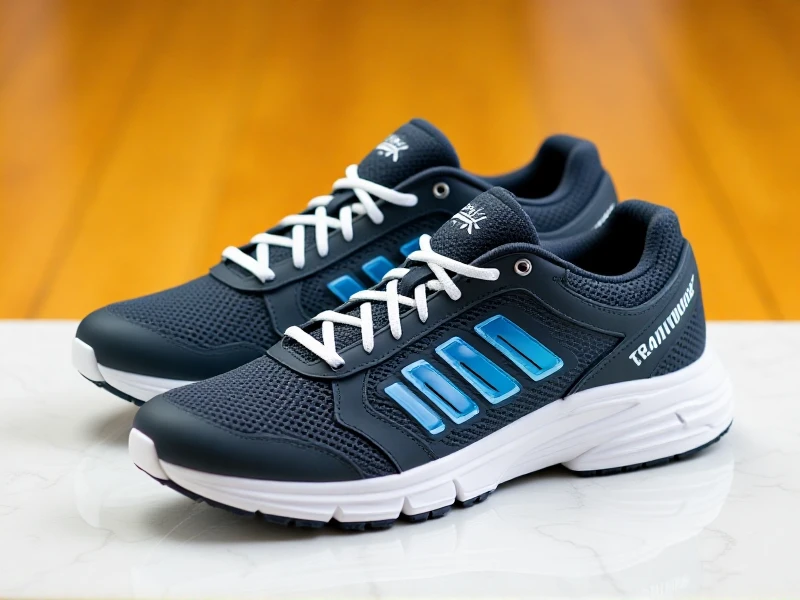
Choosing The Right Running Shoes: Your Ultimate Guide for Optimal Performance
Okay, here is the SEO-optimized article on "Running Shoes" following your requirements:
Lacing up the right pair of running shoes is the crucial first step toward enjoying your run, staying injury-free, and achieving your fitness goals. Your feet endure significant impact with every stride, making intelligent footwear choice far more important than just picking the flashiest color. This guide cuts through the clutter to help you understand the essentials.
Think of your running shoes as personalized shock absorbers and support systems. Wearing shoes not designed for your gait or the terrain can lead to common issues like shin splints, plantar fasciitis, and knee pain. It's about matching the shoe's technology to your unique biomechanics. The right pair feels like a natural extension of your foot, propelling you forward comfortably.
So, what are the key pillars to consider when selecting your ideal running shoes?
- Your Gait & Stability Needs: Understanding how your foot naturally rolls inward (pronation) upon landing is paramount. Do you overpronate, underpronate (supinate), or have a neutral stride? Many running stores offer gait analysis to identify this. This dictates whether you need stability running shoes (for overpronators), neutral cushioned shoes, or motion control (for severe overpronation).
- The Cushioning & Impact Protection: Running shoe midsoles use advanced foams (like EVA, polyurethane, or proprietary materials like Nike React, Adidas Boost, Brooks DNA Loft) to absorb impact returning energy. Cushioning levels vary from maximal (like Hoka) to minimal. Choose based on your weight, preference for softness vs. responsiveness, and typical run distances.
- Fit & Comfort (Non-Negotiable!): A perfect fit means about a thumbnail's width of space between your longest toe and the shoe end. Width is equally crucial – avoid pinching. There should be secure heel lockdown without slippage and ample room for toe splay upon landing. Always try shoes on with your running socks and later in the day when feet swell slightly. Walk and ideally jog around the store.
Beyond the Purchase: Caring for your running shoes extends their life and effectiveness. Rotate between two pairs to allow the midsole foam time to decompress fully. Avoid machine washing/drying; clean gently with a damp cloth and mild soap. Track mileage – generally, replace running shoes every 300 to 500 miles as the cushioning degrades, impacting protection, even if the tread looks okay. Sweat stains are actually medals of honor!
Taking the time to find your perfect match truly makes a difference. Don't be swayed just by hype or trends. Prioritize your foot health, running form, and comfort. Invest in professional fitting at a reputable running specialty store. Happy feet lead to happy miles! What feature matters most to you in your next pair of running shoes?