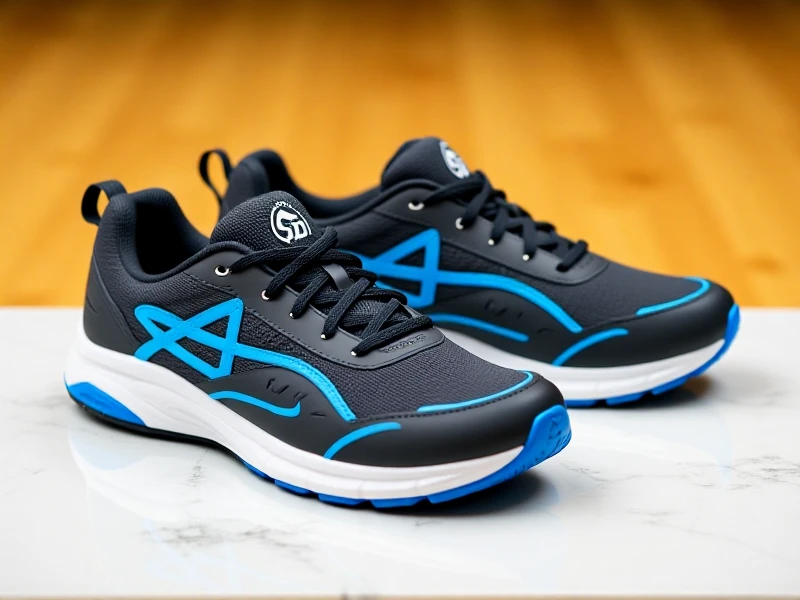
The Ultimate Guide to Choosing Running Shoes
Are you tired of blisters or foot pain during your runs? Proper running shoes are essential for comfort, performance, and injury prevention. These specialized shoes aren't just sneakers—they're engineered to support your feet through every stride on pavement, trails, or treadmills. As a runner, I've learned the hard way that skimping on gear leads to setbacks. So, let's dive into how to pick the right pair for your needs.
First, understand the types of running shoes available. Road running shoes provide cushioning for hard surfaces, while trail options feature rugged soles for off-road terrain. Based on your foot type—whether neutral, pronated, or supinated—you might need stability or motion-control models to prevent overuse injuries. Brands like Nike, Brooks, and Saucony offer innovative designs; for instance, Nike's Air Zoom Pegasus series emphasizes lightweight flexibility, perfect for long-distance runners. Always try on multiple pairs in-store after a short jog to assess fit—toe space should allow wiggle room without sliding.
Next, consider key factors for comfort and durability. Cushioning level varies from minimalist barefoot-inspired models to plush max-cushion shoes that absorb impact for joint health. Material quality matters; mesh uppers enhance breathability, reducing sweat buildup during summer runs. Experts recommend updating your running shoes every 300-500 miles—worn-out soles lose shock absorption, risking shin splints or knee pain. To extend their life, rotate pairs and avoid wearing them for daily errands. Ultimately, the best running shoes feel like a natural extension of your body, boosting confidence on every run.
In summary, investing in the right running shoes transforms your training. Whether you're a casual jogger or a marathon enthusiast, a proper fit elevates your enjoyment and performance. Visit our online shop today to explore top-rated options tailored for your running goals—your feet will thank you! ( 425)